
DYNAMIC NATIONAL ROOFING SYSTEMS
Low-Slope Roofs
Low-slope roofs are a practical, durable solution for commercial and multifamily properties, offering a range of system options to meet different performance, budget, and building requirements. At Dynamic National, we install, repair, maintain, and replace flat roofs using proven systems including TPO, EPDM, PVC, built-up roofing (BUR), modified bitumen, roof coatings, and low-slope metal roofing. Our team looks beyond the roofing material itself, evaluating the condition of the existing assembly, drainage, insulation, climate, and long-term goals of the property before recommending a solution. Whether you’re selecting a system for a new building or determining the right replacement for an aging roof, we’ll help you choose a flat roof built to perform and protect your property for the long haul.

TPO Roofing
TPO roofing is one of the most widely used low-slope roof systems for commercial and multifamily properties, offering a strong combination of durability, energy efficiency, and long-term value. Made from a flexible, single-ply thermoplastic membrane, TPO is installed with heat-welded seams that create a strong, watertight barrier against the elements. Its reflective surface can also help reduce heat absorption and support better building energy performance. For property owners looking for a dependable flat roof that is relatively straightforward to maintain and built to handle years of exposure, TPO is a proven option worth considering.
EPDM Roofing
EPDM roofing is a proven low-slope roof system known for its durability, flexibility, and reliable long-term performance. Made from synthetic rubber, EPDM creates a strong, watertight barrier that stands up well to UV exposure, temperature changes, hail, and severe weather. The membrane is installed in large sheets, helping minimize the number of seams and potential points for water intrusion across the roof. With a long track record and relatively low lifecycle cost, EPDM is a practical option for commercial and multifamily property owners looking for a dependable flat roofing system built to perform for years to come.


PVC Roofing
PVC roofing membrane is a durable low-slope roof system designed for commercial and multifamily properties that need reliable waterproofing and strong resistance to chemicals, grease, and demanding weather conditions. This single-ply membrane is reinforced for added strength and installed with heat-welded seams that create a continuous, watertight barrier across the roof. PVC is also valued for its reflective surface, which can help reduce heat absorption and support better building energy performance. With its combination of durability, chemical resistance, and long-term performance, PVC roofing is a strong option for flat roofs—especially on restaurants, manufacturing facilities, and other properties where the roof may be exposed to grease, oils, or chemicals.
SPF Roofing
Dynamic National provides Spray Polyurethane Foam (SPF) roofing solutions for commercial and multifamily properties, delivering seamless, energy-efficient protection for low-slope roofing systems. SPF roofing creates a durable, fully adhered barrier that helps prevent water intrusion, improves insulation performance, and reduces long-term energy costs. Its lightweight application allows for installation over many existing roofing systems, minimizing disruption and potentially eliminating the need for a complete roof tear-off. Our experienced roofing professionals evaluate each property’s unique requirements to develop SPF roofing solutions that prioritize proper drainage, long-term durability, and overall building performance.

METAL ROOFING
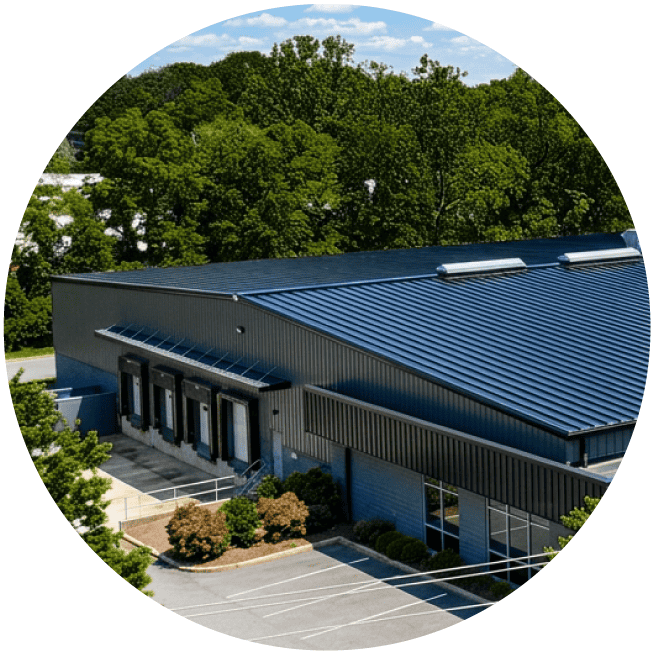
Metal roofing can provide a durable, long-lasting solution for certain low-slope roof applications, particularly when the system is designed specifically to manage water and accommodate the building’s slope. Metal flat roofing typically relies on mechanically seamed panels and carefully engineered flashing, drainage, and connection details to create a weather-resistant roof assembly. Metal is valued for its strength, longevity, and ability to withstand demanding environmental conditions, but proper system selection and installation are critical to long-term performance. For commercial and multifamily properties where metal makes sense, it can deliver a tough, low-maintenance roofing solution built for the long haul.
Built-Up Roofing
Built-up roofing (BUR) is a time-tested low-slope roof system known for its durability, waterproofing, and ability to stand up to demanding conditions. Unlike single-ply membranes, BUR is constructed using multiple layers of reinforcing fabric and asphalt or bitumen, typically finished with gravel or another protective surface. These layers create a tough, redundant barrier that can handle heavy foot traffic, harsh weather, and years of exposure. With more than a century of proven performance, built-up roofing remains a dependable option for commercial and multifamily properties that need a durable flat roof designed for long-term protection.


MODIFIED BITUMEN ROOFING
Modified bitumen roofing is a durable low-slope roof system that combines the proven waterproofing performance of asphalt with modern polymer reinforcement for added strength and flexibility. Often called Mod Bit, the membrane is reinforced with fiberglass or polyester and can be installed using several methods depending on the building and roofing assembly. Its tough, layered construction makes it particularly well-suited for roofs that experience regular foot traffic, changing temperatures, and demanding weather conditions. For commercial and multifamily properties that need a rugged, dependable flat roof with proven long-term performance, modified bitumen is a strong option.
Roof coating
Coating roofing can be a cost-effective way to extend the life of an existing low-slope roof when the underlying roofing system is still in good condition. Applied as a liquid, the coating cures into a seamless, flexible membrane that helps restore waterproofing while protecting the roof from UV exposure, weather, and normal aging. Depending on the system, a reflective coating can also help reduce heat absorption and improve energy performance. Before recommending a roof coating, our team evaluates the condition of the existing roof to make sure restoration makes sense—because sometimes extending the life of the roof is the smarter investment, and sometimes replacement is.
FAQs about Low-Slope Roofs
What is the difference between TPO, PVC, and EPDM roofing?
TPO, PVC, and EPDM are all single-ply roofing membranes commonly used on low-slope roofs, but each offers different advantages. TPO is popular for its balance of durability, energy efficiency, and value, while PVC offers excellent chemical and grease resistance and is often a strong choice for restaurants, manufacturing facilities, and other demanding environments. EPDM is a synthetic rubber membrane known for its flexibility, weather resistance, and proven long-term performance. The best option depends on your building, climate, budget, roof conditions, and long-term ownership goals.
Is TPO or EPDM better for a flat roof?
Both TPO and EPDM can provide reliable performance on low-slope roofs, but they have different strengths. TPO typically features a reflective surface and heat-welded seams, making it a popular choice when energy efficiency and heat resistance are priorities. EPDM is known for its flexibility, durability, and ability to perform through significant temperature fluctuations. Rather than choosing based on material alone, we recommend evaluating the building, existing roof assembly, climate, drainage, and expected service life before selecting a system.
What is the difference between built-up roofing and modified bitumen?
Built-up roofing (BUR) and modified bitumen are both asphalt-based low-slope roofing systems, but their construction is different. BUR uses multiple alternating layers of reinforcing fabric and asphalt or bitumen to create a thick, durable roof assembly. Modified bitumen builds on that concept using asphalt enhanced with polymer modifiers and reinforced membranes that provide additional flexibility and strength. Both can be excellent options for commercial roofs that need dependable waterproofing and resistance to heavy foot traffic.
Should I use a roof coating or replace my low-slope roof?
A roof coating can be a smart alternative to replacement when the existing flat roof is still structurally sound and a good candidate for restoration. Coatings create a seamless protective membrane that can restore waterproofing and extend the roof’s service life without a complete tear-off. However, a coating won’t solve underlying problems such as widespread moisture, deteriorated insulation, or significant structural issues. A professional roof assessment can determine whether restoration, repair, or full replacement provides the best long-term value.
What is the best roofing system for a commercial low-slope roof?
There isn’t one flat roofing system that’s best for every commercial property. TPO, EPDM, PVC, built-up roofing, modified bitumen, roof coatings, and certain low-slope metal systems each offer different advantages. The right choice depends on factors such as the building’s use, roof slope and drainage, climate, foot traffic, existing roof assembly, energy-efficiency goals, budget, and expected service life. At Dynamic National, we evaluate those factors together to recommend the system that makes the most sense for the property—not simply the most expensive option.

Ready to work with us?
