
Commercial, Retail, Hospitality, Government, and Multifamily
PVC Roofing
Built for demanding environments, PVC roofing membrane combines exceptional durability, chemical resistance, energy efficiency, and watertight performance for long-term commercial roof protection.

WHAT IS PVC Roofing?
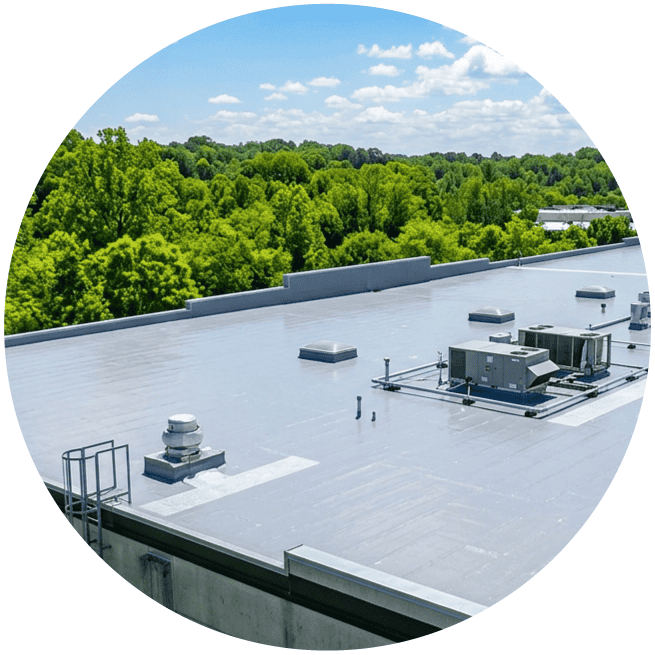
PVC (Polyvinyl Chloride) roofing is a single-ply roofing membrane designed specifically for low-slope and flat commercial roofs. Reinforced with polyester or fiberglass scrim, PVC membranes are heat-welded at the seams to create a continuous, watertight roofing system. Unlike many roofing materials that rely on adhesives or tapes to seal seams, PVC’s heat-welded seams create an exceptionally strong bond that helps prevent leaks for decades. PVC has become one of the industry’s most trusted roofing systems thanks to its combination of durability, energy efficiency, chemical resistance, and long service life.
Durable. Reliable. Ready.
When your building demands exceptional durability, chemical resistance, and long-term waterproofing, PVC roofing is one of the most reliable commercial roofing systems available. For decades, property owners have trusted PVC roofs to protect facilities from harsh weather, standing water, grease, chemicals, and everyday wear.
At Dynamic National, we install, replace, repair, and maintain commercial PVC roofing systems for a wide range of commercial and industrial buildings. Whether you’re planning a roof replacement or evaluating roofing options for a new facility, our team can help determine if PVC is the best long-term solution for your property.

Why Choose Us for PVC Roofing?
Commercial roofing is about more than installing a membrane—it’s about protecting your building for decades.
When you work with Dynamic National, you get:
• Experienced commercial roofing professionals
• Manufacturer-approved installation methods
• High-quality workmanship
• Comprehensive roof inspections
• Preventative maintenance programs
• Responsive repair services
• Transparent communication from start to finish
Whether your project involves a complete roof replacement, repairs, or long-term roof management, our team is committed to delivering roofing solutions that maximize durability, efficiency, and long-term performance.
Manufacturer Certifications



Benefits of PVC Roofing
There are many reasons property owners choose a PVC roofing membrane over other alternatives. Find out about the main benefits below:
Superior Water Protection
PVC roofing systems feature hot-air welded seams that form an exceptionally durable, watertight bond. This greatly reduces the likelihood of seam failure, which is one of the most common causes of commercial roof leaks.
Excellent Chemical & Grease Resistance
PVC is highly resistant to chemicals, oils, grease, and industrial pollutants, making it an excellent choice for facilities exposed to harsh contaminants. This is one reason PVC is commonly installed on restaurants, manufacturing facilities, food processing plants, and industrial buildings.
Outstanding Energy Efficiency
Most PVC membranes are white or light-colored, reflecting a significant amount of the sun’s heat. This reflective surface can help lower rooftop temperatures and reduce cooling costs during warmer months. PVC roofing is often selected as part of energy-efficient building designs.
Exceptional Durability
PVC roofing resists:
• UV radiation
• Ponding water
• Wind uplift
• Hail
• Fire
• Chemical exposure
• Mold and mildew growth
Its flexibility also allows it to accommodate normal building movement and seasonal temperature changes.
Long Service Life
With professional installation and routine maintenance, PVC roofing systems commonly last 20 to 30 years or more, providing an excellent return on investment.
Other Roofing Systems We Offer
PVC Roofing is just one of the many roofing systems we service, reroof and install. See below for all of the roofing systems we work with:

STONE-COATED STEEL ROOFING

BUILT-UP ROOFING

tpo ROOFING

EPDM ROOFING

MODIFIED BITUMEN ROOFING

spf ROOFING
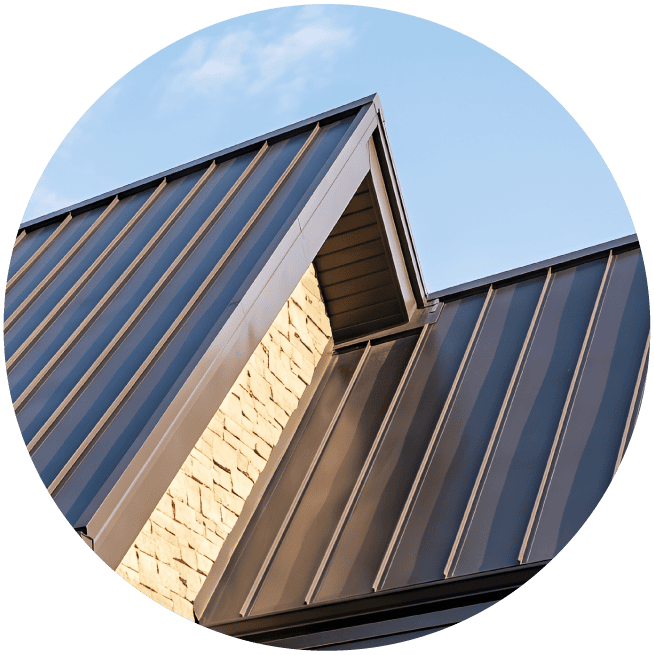
STEEP-SLOPE METAL ROOFING
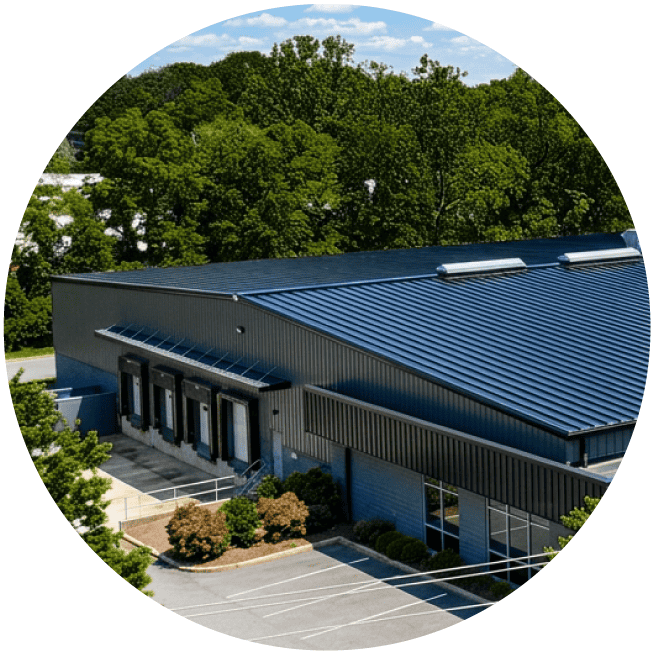
low-slope METAL ROOFING

ASPHALT SHINGLE ROOFING

TILE ROOFING
roof coating
Types of PVC Roofing Systems
PVC roofing can be installed using several methods depending on your building’s design and performance requirements.
Fully Adhered PVC
The membrane is bonded directly to the roof insulation or substrate using specialized adhesives. This provides excellent wind performance and a smooth finished appearance.
Mechanically Attached PVC
The membrane is secured using fasteners before seams are heat welded together. This installation method is efficient while still delivering outstanding long-term performance.
Induction-Welded PVC
Some PVC systems utilize induction welding technology to mechanically secure the membrane beneath the surface while maintaining superior wind resistance and reducing rooftop penetrations. Our roofing specialists will recommend the installation method that best fits your building’s structure, local code requirements, and long-term performance goals.
PVC Roofing FAQs
PVC vs. tpo
Both PVC and TPO are reflective single-ply roofing systems. PVC generally offers greater resistance to chemicals, grease, and long-term seam durability, while TPO is often selected for its competitive installation cost.
PVC vs. EPDM
EPDM is known for exceptional flexibility and long-term durability, while PVC offers superior chemical resistance, heat-welded seams, and enhanced performance in grease-producing environments.
PVC vs. Modified Bitumen
Modified bitumen provides excellent puncture resistance through multiple roofing layers. PVC offers a lighter-weight system with superior energy efficiency and fewer maintenance concerns related to seams. Our team evaluates your facility, operating environment, and long-term ownership goals to recommend the roofing system that provides the greatest value—not simply the lowest installation cost.
How long does a PVC roof last?
A professionally installed PVC roofing system typically lasts 20 to 30 years, and often longer with routine maintenance.
Is PVC roofing energy efficient?
Yes. Most PVC roofing membranes are highly reflective, helping reduce rooftop temperatures and improve building energy efficiency.
Is PVC roofing good for restaurants?
Absolutely. PVC’s excellent resistance to grease, oils, and chemicals makes it one of the best roofing systems for restaurants, commercial kitchens, and food processing facilities.
Can PVC roofs be repaired?

Ready to work with us?
