
Commercial, Retail, Hospitality, Government, and Multifamily
Tile Roofing
Tile roofing combines distinctive curb appeal with long-lasting durability, providing dependable protection for multifamily, HOA, and commercial properties when the entire roofing system is properly designed, installed, and maintained.

What Is Tile Roofing?
Tile roofing is a steep-slope roofing system made from individual tiles installed in overlapping courses to shed water away from the building. Common tile materials include: Concrete tile, clay tile and specialty tile products.
The tiles create the visible roof surface, but the system depends heavily on the components below and around them. Underlayment, flashings, fasteners, battens where applicable, valleys, penetrations, drainage, and roof deck conditions all contribute to overall performance.
Built to Protect. Designed to Last.
Tile roofing is one of the most durable and architecturally distinctive steep-slope roofing systems available. Its appearance makes it a natural fit for multifamily communities, HOAs, condominium properties, hospitality buildings, clubhouses, churches, schools, and other properties where curb appeal matters. But tile roofing is more than a finish. Long-term performance depends on the entire roof assembly beneath it. Tile type, underlayment, flashing, fastening, roof slope, drainage, structural support, and installation quality all play a role in how the system performs over time. Dynamic National installs, repairs, replaces, and maintains tile roofing systems for commercial properties, multifamily communities, HOAs, condominium associations, and other managed properties across the country. Whether you’re replacing an aging tile roof, addressing storm damage, or planning roofing work across an entire community, we help you understand the condition of the system and build the right plan for the property.

Our Tile Roofing Process
Our tile roofing process starts with a thorough assessment of the existing roof system, including the tile, underlayment, flashing, drainage, and supporting components. From there, we develop and execute a tailored plan designed to protect the property, minimize disruption, and deliver long-term performance.
1. Roof Evaluation
We inspect the existing tile roof, visible tile condition, underlayment concerns, flashings, valleys, penetrations, drainage, deck conditions, and other factors affecting performance.
2. System Advice
Based on existing conditions, we explain viable repair, maintenance, partial replacement, or full replacement options.
For new installations and reroofing projects, we help evaluate appropriate tile systems based on appearance, performance, structural requirements, and ownership goals.
3. Scope Development
Our team develops a detailed scope addressing tile, underlayment, fastening, flashings, valleys, penetrations, ridges, hips, edge details, and drainage.
4. Precon Planning
Before construction begins, we coordinate materials, staging, access, safety, resident or tenant communication, parking, landscaping protection, and property-specific requirements.
5. Installation and Field Management
Experienced project managers and specialized roofing crews oversee the work, document progress, coordinate field conditions, and maintain quality throughout the project.
6. Quality Control
Completed work is inspected, punch-list items are resolved, and applicable manufacturer or municipal inspections are coordinated.
7. Project Closeout
At completion, we provide applicable warranty information, project documentation, and recommendations for ongoing maintenance.
Manufacturer Certifications



Benefits of Tile Roofing
There are many reasons property owners choose tile roofing over other alternatives. Find out about the main benefits below:
Long Service Life
Tile roofing can provide decades of service. The tile itself may remain serviceable for a long time, but the overall roof lifespan also depends on the underlayment, flashings, fasteners, deck condition, drainage, and installation quality. That distinction matters. A roof can have tiles that still look good while the waterproofing components beneath them are reaching the end of their useful life.
Architectural Appearance
Tile roofing creates a distinct, high-end appearance that can become an important part of the property’s identity.
This makes it especially popular in:
• Multifamily communities
• HOA neighborhoods
• Condominium properties
• Hospitality developments
• Clubhouses
• Mixed-use properties
• Other architecturally driven assets
Durability
Tile is resistant to many forms of weathering and does not deteriorate in the same way as some other roofing materials. When properly installed, tile systems can provide strong long-term performance across a range of environments.
Weather Resistance
Tile roofing can perform well under sun, rain, heat, and other environmental exposure.
System performance during severe weather depends on factors such as:
• Tile profile
• Fastening method
• Underlayment
• Wind exposure
• Roof slope
• Installation quality
• Building location
Fire Resistance
Many clay and concrete tile products provide strong fire resistance, which can be an important consideration depending on the property and location.
Lifecycle Value
Tile roofing often has a higher initial cost than asphalt shingle roofing, but that should be weighed against expected service life, durability, appearance, maintenance, repairability, and long-term ownership goals.
Other Roofing Systems We Offer
Tile roofing is just one of the many roofing systems we service, reroof and install. See below for all of the roofing systems we work with:

STONE-COATED STEEL ROOFING

BUILT-UP ROOFING

PVC ROOFING

EPDM ROOFING

MODIFIED BITUMEN ROOFING

spf ROOFING
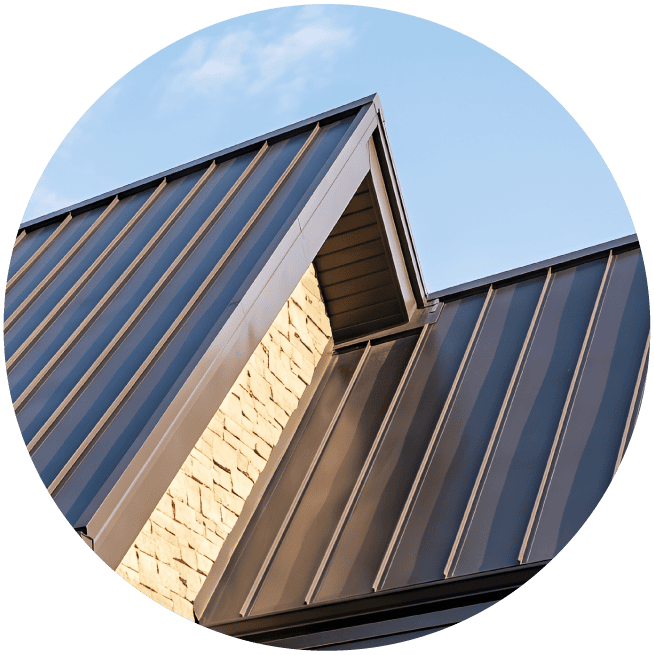
STEEP-SLOPE METAL ROOFING
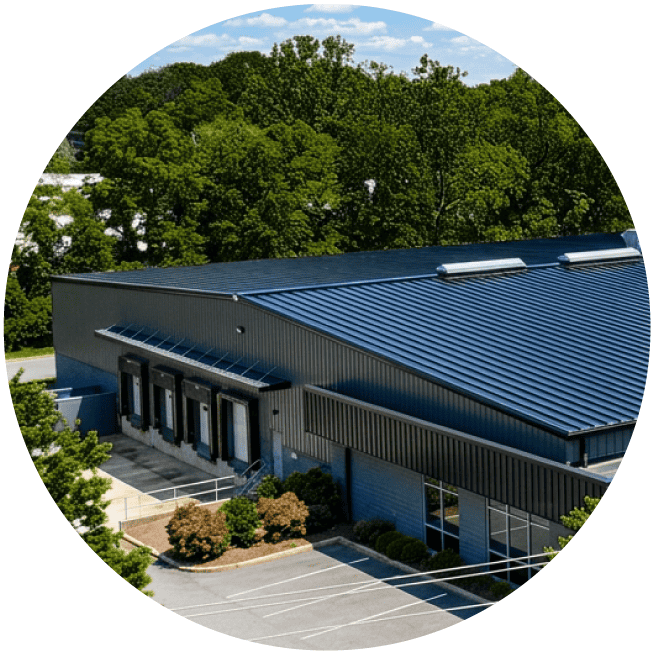
low-slope METAL ROOFING

ASPHALT SHINGLE ROOFING

tpo ROOFING
roof coating
Types of Tile Roofing
Concrete Tile Roofing
Concrete tile is one of the most common tile roofing systems used on multifamily, HOA, and commercial steep-slope properties. Concrete tiles are durable, versatile, and available in a wide range of profiles and colors. Depending on the product, they may be manufactured to resemble: Traditional Spanish tile, flat tile, slate, wood shake or other architectural roofing styles. Concrete tile can provide a strong balance of durability, appearance, and long-term value when the roof structure and assembly are properly designed.
Clay Tile Roofing
Clay tile is known for its distinctive appearance and long service life. It is commonly used on properties where architecture is a major part of the overall design, particularly in warmer climates and communities with Mediterranean, Spanish, or Southwestern influences. Clay tile can provide excellent durability, but it may also be more brittle than some other roofing materials and requires experienced handling during installation and service.
Flat Tile Roofing
Flat-profile tile systems provide a cleaner, more contemporary appearance than traditional barrel-style tile. They are often selected for properties where owners want the durability of tile with a more modern architectural look.
Barrel and S-Style Tile Roofing
Barrel and S-style tiles create the curved, dimensional appearance commonly associated with traditional Spanish or Mediterranean roofing. These systems are frequently used throughout multifamily, HOA, condominium, hospitality, and high-end commercial properties.
FAQs About Tile Roofing
How long does tile roofing last?
Clay and concrete roofing tiles can provide a very long service life, but the lifespan of the complete roof depends on more than the tile itself.
Underlayment, flashings, fasteners, deck condition, maintenance, storm exposure, and installation quality all affect how long the roofing system performs.
What is the difference between clay tile and concrete tile roofing?
Clay tile is manufactured from natural clay and is known for long-term durability and traditional architectural appearance.
Concrete tile is made from a cement-based mixture and is available in a wide range of profiles, colors, and styles.
Both can provide strong performance, but differences in weight, appearance, cost, durability, and product design should be considered when selecting a system.
Can broken roof tiles be repaired?
Yes. Individual cracked, broken, or displaced tiles can often be replaced when damage is localized and the underlying roof system remains serviceable. The surrounding underlayment, flashing, and attachment conditions should also be evaluated to make sure the visible tile damage is not part of a larger problem.
Does a tile roof need to be replaced when the underlayment fails?
Not necessarily. In some cases, existing tile can be carefully removed, the underlayment replaced, and serviceable tiles reinstalled. Whether that approach makes sense depends on the condition of the tile, breakage rates, product availability, code requirements, project economics, and the overall roof assembly.
Can tile roofing be repaired after hail damage?
Yes, depending on the extent of the damage. Localized broken or cracked tiles may be replaceable. Widespread damage may require a larger restoration or replacement approach. A roof assessment can help determine the extent of the damage and the appropriate repair scope.
Is tile roofing expensive?
Tile roofing generally has a higher initial installation cost than asphalt shingle roofing. However, owners should also consider expected service life, architectural value, maintenance, repairability, durability, and long-term lifecycle cost when comparing roofing systems.
Does tile roofing require maintenance?
Yes. Routine inspections can help identify cracked or displaced tiles, flashing problems, drainage issues, underlayment concerns, storm damage, and other deficiencies before they lead to larger problems.
Can replacement tile always be matched to an existing roof?
Not always. Older tile profiles, colors, or manufacturers may be discontinued. In those situations, matching may require alternative products, salvaged material, or a broader repair or replacement strategy.


Ready to work with us?
