
LOW-SLOPE
Metal Roofing
Metal roofing is a durable, long-lasting roofing solution for low-slope commercial and multifamily properties, offering strong weather resistance and dependable performance when properly designed, installed, and maintained.
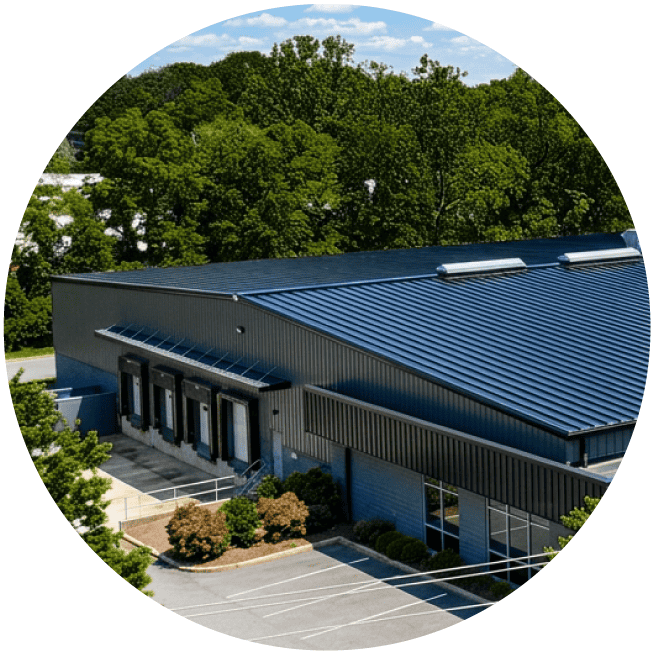
WHAT IS low-slope metal Roofing?
Metal roofing is a broad category of roofing systems constructed using metal panels or assemblies designed to protect a building from water, wind, weather, and environmental exposure. Depending on the system and building design, metal roofing can be used on both low-slope and steep-slope applications. Metal roofing systems may be manufactured from materials such as: Galvanized steel, Galvalume-coated steel, Aluminum, Copper, and Zinc. For many commercial and multifamily applications, steel roofing systems are among the most common due to their combination of strength, availability, performance, and cost. The right material and system depend on the building, environment, roof slope, design requirements, expected service life, and ownership goals.
Strength That Stands the Test of Time
Metal roofing has earned its place on commercial, multifamily, and HOA properties for a reason. When properly designed, installed, and maintained, a metal roofing system can provide exceptional durability, weather resistance, and long-term performance. But not every metal roof is the same. Panel type, slope, fastening method, substrate, flashing details, drainage, coatings, and even how the metal responds to temperature changes can all affect how the roof performs over time. Dynamic National installs, repairs, maintains, and replaces metal roofing systems for commercial properties, multifamily communities, HOAs, condominium associations, and other managed properties across the country.
Whether you’re evaluating metal roofing for a new project, replacing an aging system, or trying to get more life out of the roof you already have, we’ll help you understand the options and build a plan around the property—not just the product.

Our Low-Slope Metal Roofing Process
1. Roof Evaluation
We evaluate the existing roof, property conditions, drainage, penetrations, structural considerations, and other factors affecting system performance.
2. System Advice
Based on the property and project goals, we identify viable repair, maintenance, restoration, or replacement options.
For new installations or replacements, we help determine which metal roofing system and configuration best fits the building.
3. Scope Development
Our team develops a detailed scope addressing materials, attachment, flashings, penetrations, drainage, perimeter conditions, and other critical details.
4. Precon Planning
Before work begins, we coordinate materials, access, staging, safety, scheduling, equipment, occupant communication, and property-specific requirements.
5. Installation and Project Management
Experienced project managers and specialized crews oversee the work, document progress, coordinate details, and address changing field conditions throughout construction.
6. Quality Control
We inspect completed work, resolve punch-list items, and coordinate applicable manufacturer or municipal inspections.
7. Project Closeout
Upon completion, we provide applicable warranty information, project documentation, and recommendations for ongoing maintenance.
Manufacturer Certifications




Benefits of Metal Roofing
There are many reasons property owners choose metal roofing over other alternatives. Find out about the main benefits below:
Long Service Life
One of the biggest reasons owners consider metal roofing is longevity. A properly designed, installed, and maintained metal roofing system can provide decades of service. Actual lifespan depends on the system, metal type, coating, environment, installation quality, maintenance, and exposure conditions.
Weather Resistance
Engineered metal roofing systems can provide strong resistance to wind, rain, hail, UV exposure, and changing weather conditions. System selection and installation details matter, particularly in markets exposed to high winds, hail, hurricanes, or significant temperature swings.
Durability
Metal roofing does not deteriorate in the same way as many other roofing materials. It can withstand significant environmental exposure while maintaining its structural integrity when properly protected and maintained.
Low Maintenance Requirements
Metal roofing can require less routine maintenance than some roofing systems, but low maintenance does not mean no maintenance. Fasteners, seams, flashings, sealants, penetrations, coatings, and drainage components should still be inspected regularly.
Architectural Appearance
Metal roofing can provide a clean, modern appearance and is available in numerous panel profiles, finishes, and configurations.
This makes it particularly attractive for multifamily, HOA, hospitality, retail, educational, and other properties where the roof contributes to the overall appearance of the asset.
Reflectivity and Energy Considerations
Depending on the finish and coating, metal roofing can reflect a portion of the sun’s energy and may contribute to the overall energy performance of the roof assembly. Actual building performance depends on the complete roofing assembly, including insulation, ventilation where applicable, air sealing, climate, and mechanical systems.
Other Roofing Systems We Offer
Flat roof metal roofing is just one of the many roofing systems we service, reroof and install. See below for all of the roofing systems we work with:

STONE-COATED STEEL ROOFING

BUILT-UP ROOFING

PVC ROOFING

EPDM ROOFING

MODIFIED BITUMEN ROOFING

spf ROOFING
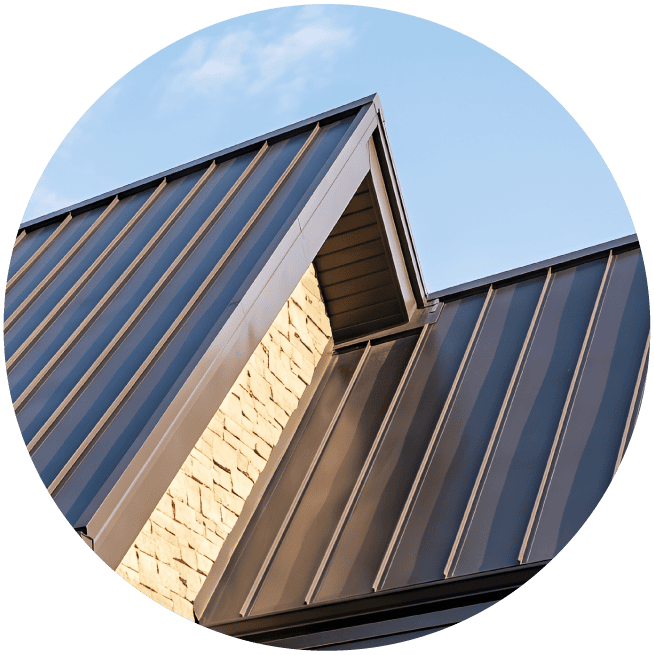
STEEP-SLOPE METAL ROOFING

tpo ROOFING

ASPHALT SHINGLE ROOFING

TILE ROOFING
roof coating
Types of Low-Slope Metal Roofing Systems
Standing Seam Metal Roofing
Standing seam is one of the most recognizable metal roofing systems. Long metal panels run vertically along the roof, while raised seams connect adjacent panels. Fasteners are generally concealed beneath the panels or seam, helping protect attachment points from direct weather exposure. Standing seam systems are frequently selected for properties where owners want long-term performance combined with a clean architectural appearance.
Mechanically Seamed Metal Roofing
Mechanically seamed systems use panel seams that are mechanically folded or seamed together after installation.
Depending on the system, this can provide strong resistance to water intrusion and wind and may be appropriate for lower-slope applications where system specifications allow. Because performance depends heavily on the panel profile, seam, attachment method, and installation quality, these systems should be selected based on the specific requirements of the building.
Exposed-Fastener Metal Roofing
Exposed-fastener systems attach metal panels directly to the roof structure using fasteners that remain visible at the surface.
These systems can provide an economical and durable roofing solution, but the exposed fasteners and washers require ongoing attention as the roof ages. Temperature movement, UV exposure, weather, and normal aging can eventually contribute to loose fasteners, deteriorated washers, or failed sealants. Routine inspections and preventative maintenance are particularly important for these systems.
Metal Roof Panels and Architectural Metal Systems
Metal can also be incorporated into architectural roofing applications where appearance plays a larger role in the design of the property.
Panel profiles, finishes, seam configurations, and metal types can be selected to complement the building while providing a durable exterior roofing system. These applications are common on multifamily communities, HOA properties, clubhouses, hospitality properties, offices, schools, churches, and other architecturally driven buildings.
Metal Roofing FAQs
How long does a metal roof last?
Metal roofing can provide decades of service when properly designed, installed, and maintained. Actual service life varies based on the metal, system type, coating, environment, weather exposure, installation quality, and maintenance history.
Can metal roofing be used on a flat roof?
Some metal roofing systems can be used on low-slope roofs when specifically designed and approved for the application. However, metal roofing requirements vary by system, and not every metal panel is appropriate for a low-slope application. Roof slope, seam design, attachment method, drainage, and manufacturer requirements should all be considered before selecting a system.
What’s the difference between standing seam and exposed-fastener metal roofing?
Standing seam systems typically conceal the fasteners beneath the panel or seam, protecting attachment points from direct weather exposure and allowing the system to better accommodate thermal movement. Exposed-fastener systems use visible fasteners that penetrate the panels. They can provide a practical and economical roofing solution but generally require more attention to fasteners, washers, and sealants as the system ages.
Can a leaking metal roof be repaired?
In many cases, yes. Leaks may originate from fasteners, seams, penetrations, flashings, sealants, damaged panels, or other details. The first step is determining where and why the system is allowing water intrusion.
Can an old metal roof be coated instead of replaced?
Sometimes. If the existing metal roofing system remains structurally sound and is an appropriate candidate, repairs and a compatible coating system may extend its useful service life. Roofs with extensive corrosion, structural deficiencies, widespread damage, or other significant failures may require a different approach.
Does metal roofing require maintenance?
Yes. Metal roofs are durable, but they should still be inspected periodically. Fasteners, seams, sealants, flashings, penetrations, coatings, drainage, and signs of corrosion should be monitored so small deficiencies can be addressed before they develop into larger problems.
Can you repair or replace metal roofs you didn’t originally install?
Yes. Dynamic National can evaluate existing metal roofing systems regardless of the original installer and recommend appropriate repair, maintenance, restoration, or replacement options based on current conditions.
Does hail damage metal roofing?
Hail can damage metal roofing, although the type and severity of damage depend on hail size, wind conditions, metal type and thickness, panel profile, substrate, and other factors. Damage may range from cosmetic denting to conditions that affect seams, coatings, flashings, or the functional performance of the roofing system.
Is metal roofing more expensive than other roofing systems?
Initial costs can be higher than some roofing options, but upfront price is only one part of the equation. Metal roofing should be evaluated based on expected service life, maintenance, repairability, weather performance, energy considerations, and total lifecycle cost. For some properties, the longer service life can make metal an attractive long-term investment.

Ready to work with us?
